
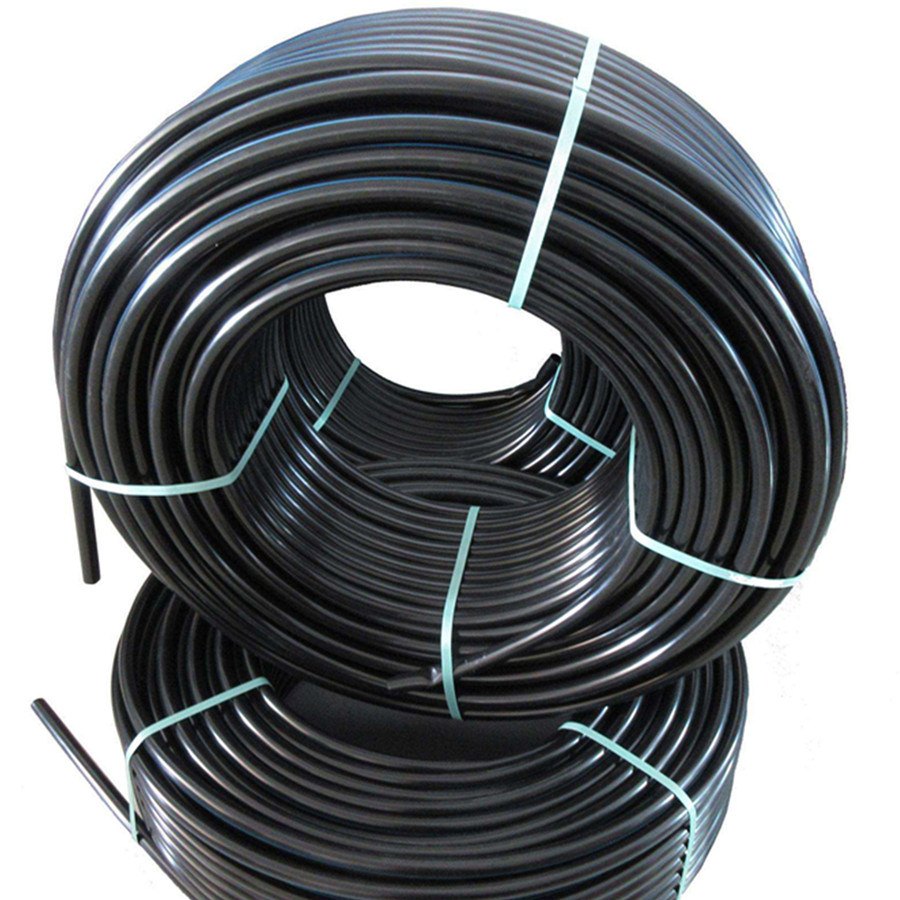
Mangalam HDPE Pipe – Complete Guide to HDPE Borewell Pipes, Column Pipes & Water Supply Pipes | Pumpskart.com
Mangalam HDPE Pipe – Trusted Choice for Borewell, Agriculture, and Water Supply Applications
Water transportation systems play an essential role in homes, agriculture, commercial buildings, industries, and infrastructure projects. Choosing the right piping system is just as important as selecting the right water pump. A reliable pipe improves water flow, minimizes maintenance, and supports long-term performance. Among the many options available today, Mangalam HDPE Pipe has become a preferred solution for customers looking for durability, flexibility, corrosion resistance, and dependable performance.
At Pumpskart.com, we offer a wide range of Mangalam HDPE Pipes suitable for borewell installations, submersible pump systems, agricultural irrigation, water supply projects, and industrial applications. Whether you are installing a new borewell or replacing an existing pipeline, selecting a quality Mangalam HDPE Pipe helps ensure consistent performance and a longer service life.
Unlike conventional metal pipes that may rust or corrode over time, HDPE Pipe technology provides excellent resistance against corrosion, chemicals, scaling, and environmental conditions. This makes Mangalam HDPE Pipe a practical investment for residential, agricultural, commercial, and industrial users.
What is a Mangalam HDPE Pipe?
A Mangalam HDPE Pipe is manufactured using High-Density Polyethylene (HDPE), an advanced engineering thermoplastic widely used in water transportation systems. These pipes are designed to provide excellent strength while remaining lightweight and flexible.
Because of these characteristics, Mangalam HDPE Pipes are extensively used for:
- Borewell installations
- Submersible pump systems
- Agricultural irrigation
- Residential water supply
- Industrial water transportation
- Municipal water distribution
- Commercial water systems
- Rainwater management
- Farm irrigation networks
- Underground water pipelines
Every Mangalam HDPE Pipe is designed to deliver reliable performance under varying operating conditions, making it suitable for multiple sectors.
Why Choose Mangalam HDPE Pipe?
When customers purchase an HDPE Pipe, they expect durability, efficiency, and long service life. Mangalam Pipe has earned recognition because its products are engineered to meet demanding water transportation requirements.
Some important reasons why customers prefer Mangalam HDPE Pipes include:
Excellent Durability
A quality Mangalam HDPE Pipe is built to withstand continuous water flow while maintaining structural integrity. The material resists cracking, scaling, and corrosion, helping reduce maintenance requirements.
Corrosion Resistance
Unlike metal pipes, an HDPE Pipe does not rust when exposed to moisture. This characteristic makes Mangalam HDPE Pipes suitable for underground installations, borewells, and outdoor applications.
Lightweight Construction
Although highly durable, every Mangalam HDPE Pipe remains lightweight compared with many conventional piping materials. This simplifies transportation, handling, and installation.
Flexible Design
The flexibility of an HDPE Pipe helps absorb movement caused by soil settlement or installation conditions, reducing the likelihood of damage during service.
Leak Reduction
Proper installation of Mangalam HDPE Pipes helps minimize leakage and supports efficient water delivery across long distances.
Long-Term Performance
One of the major advantages of selecting Mangalam Pipe is dependable long-term operation. The pipe material is designed for continuous water transportation across a wide range of applications.
Key Features of Mangalam HDPE Pipes
Customers searching for a reliable HDPE Pipe often compare strength, flexibility, durability, and ease of installation. Mangalam HDPE Pipes offer several practical advantages.
High Strength
The pipe construction provides excellent mechanical strength suitable for demanding water transportation systems.
Smooth Internal Surface
The smooth bore minimizes flow resistance and helps maintain efficient water movement through the pipeline.
Chemical Resistance
Mangalam HDPE Pipe performs well in environments where exposure to many common chemicals may occur, making it suitable for numerous agricultural and industrial applications.
UV Resistance
Selected Mangalam HDPE Pipes are designed to perform in outdoor environments where sunlight exposure is common.
Low Maintenance
The combination of corrosion resistance and durable construction reduces routine maintenance requirements.
Reliable Water Transportation
Whether installed in agriculture or residential applications, a properly selected Mangalam HDPE Pipe supports consistent water delivery.
Applications of Mangalam HDPE Pipes
One of the biggest advantages of Mangalam HDPE Pipes is their versatility. They are suitable for a broad range of applications.
Borewell Systems
A Borewell HDPE Pipe is widely used in conjunction with submersible pumps to transport water from the borewell to the surface. Choosing the correct pipe helps support efficient pump performance.
Submersible Pump Installations
A quality Submersible Pipe is an essential component of every borewell pumping system. Mangalam HDPE Pipes are compatible with many residential, agricultural, and commercial submersible pump installations.
Agriculture
Modern farming depends on efficient water management. Agriculture HDPE Pipe solutions help transport water for irrigation systems, crop cultivation, orchards, and farm water distribution.
Water Supply
For residential buildings, apartments, villas, and commercial complexes, HDPE Water Pipe systems provide reliable water transportation with reduced maintenance requirements.
Industrial Projects
Industries often require durable piping capable of handling continuous water movement. Mangalam HDPE Pipes are used in many industrial water distribution applications.
Municipal Infrastructure
Urban water supply projects frequently utilize HDPE Pipe systems because of their durability, flexibility, and long service life.
Understanding HDPE Pipe Grades
Different applications require different performance characteristics. Common material grades include:
- PE63 HDPE Pipe
- PE80 HDPE Pipe
- PE100 HDPE Pipe
These grades are developed for different operating requirements, pressure classes, and installation conditions. Selecting the appropriate grade depends on engineering requirements, system design, and application needs.
Understanding Pressure Ratings
Choosing the correct pressure rating is equally important. Common options include:
- PN10 HDPE Pipe
- PN12.5 HDPE Pipe
- PN16 HDPE Pipe
The pressure class should always be selected according to the system design, installation requirements, and recommendations provided by the manufacturer or project engineer.
Popular Sizes Available
At Pumpskart.com, customers commonly search for:
- 32mm HDPE Pipe
- 40mm HDPE Pipe
- 50mm HDPE Pipe
- 63mm HDPE Pipe
- 75mm HDPE Pipe
- 90mm HDPE Pipe
- 110mm HDPE Pipe
- 125mm HDPE Pipe
- 140mm HDPE Pipe
- 160mm HDPE Pipe
The right size depends on water flow requirements, pump capacity, pipeline layout, and the intended application.
Why Buy Mangalam HDPE Pipe from Pumpskart.com?
At Pumpskart.com, we aim to help customers choose the right piping solution for their water system requirements. Our catalog includes products suitable for residential, agricultural, commercial, and industrial applications.
When purchasing a Mangalam HDPE Pipe, customers can explore different sizes, pressure ratings, and compatible products to select the most suitable option for their project. Our platform also offers related products such as water pumps, submersible pumps, cables, control panels, and other water system accessories, making it convenient to source multiple components from one place.
Whether you are planning a new installation or replacing an existing pipeline, selecting the appropriate HDPE Pipe contributes to a reliable and efficient water transportation system.
HDPE Pipe manufacturers in Bangalore, Karnataka | Mangalam Pipes Pvt. Ltd
Benefits of Choosing Mangalam HDPE Pipes for Different Applications
Selecting the right piping system is one of the most important decisions for any water distribution project. Whether you are installing a borewell, upgrading an irrigation network, or setting up a water supply system for a residential or commercial property, the pipe should offer durability, reliable performance, and ease of installation. Mangalam HDPE Pipe products are widely used because they are designed to meet these practical requirements.
Reliable Performance for Borewell Installations
A borewell system depends on the proper combination of a quality pump, cable, control panel, and pipe. The pipe plays a critical role in transporting water efficiently from the borewell to the delivery point. A properly selected Borewell HDPE Pipe supports dependable water flow and is suitable for long-term use in a variety of installation environments.
When paired with a compatible submersible pump, Mangalam HDPE Pipes help create a dependable water transportation system for homes, farms, apartments, commercial buildings, and industrial facilities.
Suitable for Agricultural Irrigation
Agriculture requires efficient water management throughout the year. Farmers need piping systems that are durable, easy to handle, and suitable for irrigation applications. Agriculture HDPE Pipe solutions are commonly used for:
- Drip irrigation systems
- Sprinkler irrigation
- Farm water distribution
- Orchard irrigation
- Plantation water supply
- Livestock water supply
- Storage tank connections
The flexibility and durability of Mangalam HDPE Pipe make it suitable for agricultural projects where reliable water delivery is essential.
Residential Water Supply
Modern homes require dependable water distribution systems for daily use. HDPE Water Pipe products are commonly installed in:
- Independent houses
- Villas
- Apartments
- Residential layouts
- Gated communities
A quality Mangalam HDPE Pipe helps support efficient water transportation while requiring minimal routine maintenance.
Commercial and Industrial Applications
Commercial buildings and industrial facilities often require continuous water supply. Mangalam HDPE Pipes are suitable for a variety of applications, including:
- Commercial complexes
- Educational institutions
- Hospitals
- Hotels
- Manufacturing units
- Warehouses
- Infrastructure projects
The combination of durability and corrosion resistance makes these pipes a practical choice for many water distribution systems.
Advantages of HDPE Pipe Technology
Lightweight and Easy to Handle
Compared with many traditional piping materials, HDPE Pipe products are lighter, making transportation and installation more convenient. This can help reduce handling effort during project execution.
Corrosion Resistance
One of the key advantages of Mangalam HDPE Pipes is their resistance to rust and corrosion. This characteristic makes them suitable for underground installations and environments where moisture is continuously present.
Smooth Water Flow
The smooth internal surface of an HDPE Pipe helps reduce flow resistance, supporting efficient movement of water through the pipeline.
Low Maintenance
Because HDPE material does not rust like many metal pipes, maintenance requirements are generally lower when the system is correctly installed and operated.
Long Service Life
A properly installed Mangalam HDPE Pipe can provide dependable performance over an extended period when used according to the manufacturer’s recommendations.
Choosing the Right Pipe Size
Selecting the correct pipe diameter depends on several engineering and application factors, including water demand, pump capacity, and pipeline layout.
Commonly used sizes include:
- 32mm HDPE Pipe
- 40mm HDPE Pipe
- 50mm HDPE Pipe
- 63mm HDPE Pipe
- 75mm HDPE Pipe
- 90mm HDPE Pipe
- 110mm HDPE Pipe
- 125mm HDPE Pipe
- 140mm HDPE Pipe
- 160mm HDPE Pipe
The appropriate size should always be selected based on the requirements of your specific installation.
Understanding Pressure Ratings
Pressure ratings help determine the suitability of a pipe for different operating conditions. Common pressure classes include:
- PN10 HDPE Pipe
- PN12.5 HDPE Pipe
- PN16 HDPE Pipe
Choosing the appropriate pressure class should be based on the system design and the recommendations of the equipment manufacturer or project engineer.
HDPE Pipe Grades
Different projects may require different material grades. Commonly available grades include:
- PE63 HDPE Pipe
- PE80 HDPE Pipe
- PE100 HDPE Pipe
The choice of grade depends on the intended application, operating conditions, and project specifications.
Why Choose Pumpskart.com?
At Pumpskart.com, we aim to provide customers with quality water system products from trusted brands. Along with Mangalam HDPE Pipes, customers can explore a wide range of compatible products, including:
- Borewell submersible pumps
- Openwell submersible pumps
- Monoblock pumps
- Pressure pumps
- Borewell cables
- Control panels
- Valves and accessories
- Water pump spare accessories
Our goal is to help customers find products that match their project requirements while providing detailed product information to support informed purchasing decisions.
Tips Before Purchasing an HDPE Pipe
Before buying an HDPE Pipe, consider the following:
- Confirm the required pipe diameter.
- Select the appropriate pressure rating.
- Ensure compatibility with your pump and fittings.
- Choose products that match your water distribution requirements.
- Follow the installation and maintenance recommendations provided by the manufacturer.
Making these checks before purchase can help improve system performance and longevity.
Installation Best Practices for Mangalam HDPE Pipes
Proper installation is one of the most important factors in ensuring the long-term performance of any water pipeline. Even a high-quality Mangalam HDPE Pipe performs best when installed according to the manufacturer’s recommendations and accepted engineering practices.
Before beginning installation, inspect the entire pipeline, fittings, and accessories to ensure they are free from visible damage. Confirm that the selected pipe diameter, pressure rating, and fittings are appropriate for your water distribution system.
When installing a Borewell HDPE Pipe, ensure that all compatible accessories are securely connected and that the pipe is handled carefully to avoid unnecessary stress during lowering or installation. Proper alignment helps maintain smooth water flow and supports reliable system operation.
For agricultural and water supply projects, adequate support should be provided where required, and bends should be made within the recommended limits for HDPE piping. This helps reduce unnecessary strain on the pipeline.
General Installation Checklist
- Select the correct pipe diameter for your application.
- Use compatible fittings and connectors.
- Follow the manufacturer’s installation recommendations.
- Ensure all joints are properly secured.
- Avoid excessive twisting or sharp bends during installation.
- Test the system after installation before regular use.
- Perform periodic inspections to ensure continued performance.
Following these simple practices can help improve the overall reliability of your water transportation system.
Maintenance Tips for Long-Term Performance
One of the advantages of Mangalam HDPE Pipes is that they generally require minimal maintenance when correctly installed. However, routine inspections can help identify issues before they affect system performance.
Recommended maintenance practices include:
- Periodically inspect visible sections of the pipeline.
- Check joints and fittings for leakage.
- Ensure pump connections remain secure.
- Replace damaged accessories when necessary.
- Keep the surrounding installation area free from unnecessary obstructions.
- Follow the maintenance guidance provided by the pump and pipe manufacturers.
Routine preventive maintenance contributes to efficient water distribution and helps extend the service life of the overall system.
How to Select the Right Mangalam HDPE Pipe
Choosing the right pipe depends on several project-specific factors. Rather than selecting a product based only on size or price, consider the complete system requirements.
1. Application
Determine whether the pipe will be used for:
- Borewell systems
- Agricultural irrigation
- Residential water supply
- Commercial buildings
- Industrial water distribution
- Municipal water supply
2. Pipe Diameter
The appropriate diameter depends on the required flow rate, pump capacity, and system design. Common options include 32mm, 40mm, 50mm, 63mm, 75mm, 90mm, 110mm, 125mm, 140mm, and 160mm.
3. Pressure Rating
Choose the pressure class that matches the operating conditions of your installation. Common options include PN10, PN12.5, and PN16. Always follow the recommendations of the manufacturer or your project engineer.
4. Material Grade
HDPE pipes are available in different material grades such as PE63, PE80, and PE100. The appropriate grade depends on the engineering requirements of the application.
5. System Compatibility
Ensure the selected pipe is compatible with your:
- Submersible pump
- Water pump
- Fittings
- Valves
- Couplers
- Delivery connections
Selecting compatible components contributes to smoother installation and dependable operation.
Why Customers Choose Pumpskart.com
At Pumpskart.com, we strive to make it easy for customers to find suitable water management products for a wide range of applications. Along with Mangalam HDPE Pipes, our product range includes water pumps, borewell submersible pumps, openwell submersible pumps, pressure pumps, cables, control panels, and related accessories.
Customers choose Pumpskart.com because they can compare products, review specifications, and select compatible components for residential, agricultural, commercial, and industrial projects—all in one place.
Whether you are planning a new installation or upgrading an existing system, our goal is to provide quality products supported by clear product information to help you make informed purchasing decisions.
Summary
A dependable piping system is essential for efficient water transportation. Mangalam HDPE Pipes are widely used across borewell, irrigation, residential, commercial, and industrial applications because they combine durability, corrosion resistance, flexibility, and ease of handling.
By selecting the correct pipe size, pressure rating, and compatible accessories, and by following recommended installation and maintenance practices, you can help ensure reliable performance for your water distribution system.
In the next part of this guide, we will take a deeper look at HDPE pipe grades, pressure classes, size selection, and how to choose the right configuration for different water supply applications.
Understanding HDPE Pipe Grades, Pressure Ratings, and Selecting the Right Mangalam HDPE Pipe
Understanding HDPE Pipe Material Grades
When purchasing a Mangalam HDPE Pipe, customers often come across terms such as PE63 HDPE Pipe, PE80 HDPE Pipe, and PE100 HDPE Pipe. These refer to standardized material grades used in manufacturing HDPE pipes. The appropriate grade depends on the intended application, system design, operating pressure, and engineering requirements.
Rather than choosing a pipe based only on size or price, it is important to evaluate the complete water distribution system. This includes the pipe grade, pressure class, fittings, pump compatibility, and installation environment.
PE63 HDPE Pipe
PE63 HDPE Pipe has been used in a variety of water distribution applications. It is one of the recognized HDPE material grades and may be found in certain installations depending on project specifications and applicable standards.
Applications may include:
- Residential water supply
- Agricultural water distribution
- Irrigation systems
- General-purpose water transportation
The selection of a PE63 HDPE Pipe should always be based on engineering requirements and the recommendations of the manufacturer.
PE80 HDPE Pipe
PE80 HDPE Pipe is another commonly used HDPE material grade for water supply systems. It is widely selected for projects requiring reliable performance and is used across residential, commercial, agricultural, and municipal applications.
Typical uses include:
- Water supply projects
- Borewell pipeline systems
- Irrigation networks
- Commercial water distribution
- Industrial water transportation
Choosing a PE80 HDPE Pipe depends on factors such as operating conditions, pressure requirements, and overall system design.
PE100 HDPE Pipe
PE100 HDPE Pipe is a recognized HDPE grade used in many modern piping systems. It is widely specified for numerous infrastructure and water distribution projects, depending on engineering and project requirements.
It is commonly considered for:
- Municipal water supply
- Large irrigation projects
- Industrial water systems
- Underground water distribution
- Infrastructure developments
Always select the appropriate PE100 HDPE Pipe based on manufacturer recommendations and project specifications.
Understanding Pressure Ratings
Another important specification is the pressure rating. Pressure ratings indicate the nominal pressure class of the pipe and help engineers and installers select products suitable for the intended operating conditions.
Common pressure classes include:
- PN10 HDPE Pipe
- PN12.5 HDPE Pipe
- PN16 HDPE Pipe
The appropriate pressure rating depends on the complete hydraulic design of the system and should never be selected solely based on availability.
PN10 HDPE Pipe
A PN10 HDPE Pipe is commonly selected for water distribution systems designed within the applicable operating pressure limits.
Applications may include:
- Residential water supply
- Agricultural irrigation
- Farm water systems
- Small commercial installations
The actual suitability depends on the engineering design and installation conditions.
PN12.5 HDPE Pipe
A PN12.5 HDPE Pipe is used in a variety of water transportation applications where the system design calls for this nominal pressure class.
It may be considered for:
- Borewell installations
- Apartment water supply
- Commercial buildings
- Irrigation projects
- Water distribution networks
The pressure class should always match the project specifications.
PN16 HDPE Pipe
A PN16 HDPE Pipe is another commonly available pressure class used in many water supply applications where appropriate.
It is often specified for:
- Municipal water systems
- Industrial water distribution
- Commercial infrastructure
- Large residential projects
Selection should always be made according to engineering calculations and manufacturer guidance.
Selecting the Correct Pipe Diameter
Choosing the correct pipe diameter helps achieve efficient water flow and supports overall system performance.
Common sizes include:
- 32mm HDPE Pipe
- 40mm HDPE Pipe
- 50mm HDPE Pipe
- 63mm HDPE Pipe
- 75mm HDPE Pipe
- 90mm HDPE Pipe
- 110mm HDPE Pipe
- 125mm HDPE Pipe
- 140mm HDPE Pipe
- 160mm HDPE Pipe
The correct diameter depends on:
- Required flow rate
- Pump capacity
- Delivery distance
- System layout
- Installation design
- Water demand
A properly designed system helps optimize performance and reduce unnecessary energy consumption.
Choosing a Mangalam HDPE Pipe for Borewell Applications
A Mangalam HDPE Pipe is widely used as part of borewell water systems. When selecting a pipe for a borewell installation, consider:
- Compatibility with the submersible pump
- Appropriate pipe diameter
- Required pressure class
- Compatible fittings and accessories
- Installation depth and layout
- Manufacturer recommendations
Using compatible components contributes to dependable operation and easier maintenance.
HDPE Pipe Applications Across Different Sectors
Residential
Homes, villas, apartments, and gated communities require dependable water supply systems. Mangalam HDPE Pipes are commonly used for underground water distribution and service connections.
Agriculture
Agricultural users rely on HDPE piping for irrigation, water transfer, farm supply lines, and distribution networks. The flexibility and corrosion resistance of HDPE make it suitable for a wide range of farming applications.
Commercial Buildings
Hotels, hospitals, office complexes, schools, shopping centres, and commercial facilities use HDPE pipelines for reliable water transportation.
Industrial Projects
Factories, warehouses, processing plants, and manufacturing units often incorporate HDPE piping into their water distribution infrastructure.
Municipal Infrastructure
Municipal authorities use HDPE piping in various water supply and distribution projects because of its durability, corrosion resistance, and long service life when properly selected and installed.
I
HDPE Pipe Accessories, Installation Components, and System Selection Guide
Building a Complete Water Distribution System
A high-quality Mangalam HDPE Pipe performs best when used as part of a complete and properly designed water distribution system. Every installation consists of several components that work together to transport water efficiently from the source to the destination.
Along with the pipe itself, installers should consider compatible fittings, valves, adaptors, connectors, support accessories, and pump compatibility. Selecting the correct accessories helps improve installation quality, simplifies maintenance, and supports dependable long-term operation.
Essential Accessories Used with Mangalam HDPE Pipes
HDPE Pipe Couplers
Couplers are used to connect two sections of HDPE Pipe securely. Selecting the correct coupler size and type helps ensure a reliable connection. Always use couplers that match the pipe specification recommended by the manufacturer.
Adaptors
Adaptors are used when connecting Mangalam HDPE Pipes to other compatible components within a water distribution system. The appropriate adaptor depends on the pipe size, fitting type, and installation requirements.
Elbows
Elbows allow the pipeline to change direction where required by the system layout. Using the correct elbow size helps maintain smooth water flow while reducing unnecessary stress on the pipeline.
Tees
Tee fittings are commonly used to divide or combine water flow in distribution systems. They are frequently used in agricultural irrigation networks, residential layouts, and commercial water supply installations.
Reducers
Reducers connect pipes of different diameters. Properly selected reducers support smooth transitions within the pipeline while maintaining system compatibility.
End Caps
End caps are used to close the end of a pipeline when required for testing, maintenance, or future system expansion.
Valves
Valves help control water flow throughout the pipeline. Depending on the application, the system may include isolation valves, non-return valves, or other suitable valve types recommended for the installation.
Compatible Pump Systems
A Mangalam HDPE Pipe is commonly used with a wide range of pump systems.
These include:
- Borewell Submersible Pumps
- Openwell Submersible Pumps
- Monoblock Pumps
- Centrifugal Pumps
- Pressure Booster Pumps
- Domestic Water Pumps
- Agricultural Water Pumps
Selecting a compatible combination of pump and pipe contributes to efficient water transportation and overall system reliability.
Borewell Water Distribution Systems
A borewell installation includes several important components working together.
Typical components include:
- Borewell Submersible Pump
- Mangalam HDPE Pipe
- Submersible Cable
- Safety Clamp
- Delivery Pipe
- Control Panel
- Starter
- Non-Return Valve
- Electrical Protection Devices
Every component should be compatible with the overall system design.
Agricultural Irrigation Systems
Modern irrigation projects require dependable piping capable of transporting water efficiently across agricultural land.
Applications include:
- Drip Irrigation
- Sprinkler Irrigation
- Plantation Irrigation
- Farm Water Distribution
- Vegetable Farming
- Orchard Irrigation
- Greenhouse Irrigation
The flexibility of HDPE piping makes it suitable for many agricultural layouts where routing around existing features is required.
Residential Water Supply Systems
Residential projects often require underground and overhead water distribution.
Typical installations include:
- Individual Homes
- Villas
- Apartments
- Residential Layouts
- Gated Communities
- Housing Projects
A properly selected HDPE pipeline supports reliable water movement between storage tanks, pumps, and service points.
Commercial Water Distribution
Commercial facilities require continuous and dependable water supply for daily operations.
Typical applications include:
- Office Buildings
- Hotels
- Hospitals
- Shopping Centres
- Educational Institutions
- Restaurants
- Warehouses
A complete system should be designed based on water demand and engineering requirements.
Industrial Applications
Industrial users often require robust water transportation systems for process water, utility services, and general distribution.
Common applications include:
- Manufacturing Plants
- Processing Units
- Factories
- Industrial Parks
- Utility Networks
- Infrastructure Projects
Project-specific requirements should always be evaluated before selecting pipe sizes and pressure classes.
How to Select the Right HDPE Pipe
Before purchasing a Mangalam HDPE Pipe, consider:
Water Requirement
Estimate the expected water demand so the system can be designed appropriately.
Pipe Diameter
Choose a diameter suitable for the required flow and system layout.
Pressure Class
Select the pressure rating recommended for the installation.
Material Grade
Choose the HDPE material grade specified for your project.
Installation Environment
Consider whether the pipeline will be underground, above ground, or part of a borewell installation.
Compatible Accessories
Ensure all fittings, valves, and connectors are designed to work with the selected pipe.
Why Buy from Pumpskart.com?
At Pumpskart.com, customers can explore a broad range of water management products from well-known brands. In addition to Mangalam HDPE Pipes, the platform offers borewell pumps, openwell pumps, pressure pumps, submersible cables, control panels, valves, and related accessories.
By sourcing compatible products from one place, customers can simplify the selection process and build complete water distribution systems for residential, agricultural, commercial, and industrial applications.
How to Choose the Right Mangalam HDPE Pipe for Every Water Supply Project
Selecting the correct Mangalam HDPE Pipe is about more than simply choosing a pipe diameter. Every water supply project has unique requirements based on the source of water, the application, the expected water demand, and the overall system design. By understanding these factors, you can build a water distribution system that operates efficiently and is easier to maintain over time.
Identify Your Application First
The first step is identifying where the pipe will be used. Different projects have different requirements.
Residential Water Supply
For houses, villas, apartments, and gated communities, the pipeline should provide dependable water distribution for everyday household use. The selected pipe should be compatible with the pump and storage system while meeting the design requirements of the installation.
Borewell Installations
A Mangalam HDPE Pipe is commonly used as part of borewell systems together with a compatible submersible pump. The correct pipe size and pressure class should be selected according to the pump specifications and the overall installation design.
Agricultural Irrigation
Agricultural projects may include drip irrigation, sprinkler systems, plantation watering, livestock water supply, and farm distribution networks. Choosing the correct pipeline helps maintain consistent water delivery across the property.
Commercial Buildings
Commercial complexes, hotels, hospitals, educational institutions, and office buildings often require dependable water distribution throughout the facility. Proper system planning helps ensure efficient operation.
Industrial Applications
Industrial facilities may require water for production, cooling, cleaning, or utility purposes. The pipe selection should be based on the engineering requirements of the specific application.
Choosing the Correct Pipe Size
The diameter of an HDPE Pipe influences the flow characteristics of the water distribution system. The correct size depends on several design considerations, including:
- Expected water demand
- Pump capacity
- Delivery distance
- Number of outlets
- Pipeline layout
- Future expansion requirements
Commonly available sizes include:
- 32mm HDPE Pipe
- 40mm HDPE Pipe
- 50mm HDPE Pipe
- 63mm HDPE Pipe
- 75mm HDPE Pipe
- 90mm HDPE Pipe
- 110mm HDPE Pipe
- 125mm HDPE Pipe
- 140mm HDPE Pipe
- 160mm HDPE Pipe
Always consult the manufacturer’s recommendations or a qualified installer when determining the appropriate size for your project.
Selecting the Right Pressure Class
Pressure class is another important factor when choosing a pipeline.
Common options include:
- PN10 HDPE Pipe
- PN12.5 HDPE Pipe
- PN16 HDPE Pipe
The appropriate pressure class should match the operating conditions and design requirements of the system. Selecting a pipe solely on price without considering the required pressure class may affect long-term performance.
Selecting the Appropriate HDPE Material Grade
HDPE pipes are available in different standardized material grades, including:
- PE63 HDPE Pipe
- PE80 HDPE Pipe
- PE100 HDPE Pipe
The appropriate grade depends on project specifications, operating conditions, and manufacturer guidance. Choosing the correct material grade contributes to the reliability and longevity of the pipeline.
Factors That Influence Performance
Several factors contribute to the overall performance of a water distribution system:
Quality Installation
Proper installation helps reduce the risk of leakage and supports efficient operation. Follow the installation recommendations supplied with the pipe and fittings.
Compatible Components
Use compatible fittings, valves, connectors, and accessories designed for the selected pipe system.
Routine Inspection
Periodic inspections can help identify wear, loose fittings, or other issues before they become larger problems.
Correct Pump Selection
The pipeline and the pump should be selected as a complete system. Matching the pump characteristics with the piping layout contributes to efficient water delivery.
Common Mistakes to Avoid
When planning a water distribution project, avoid these common mistakes:
- Selecting the pipe without reviewing the project requirements.
- Ignoring the recommended pressure class.
- Using incompatible fittings or accessories.
- Installing the pipeline without following the manufacturer’s instructions.
- Neglecting routine inspection and maintenance.
- Purchasing products based only on price instead of overall suitability.
Careful planning at the beginning of the project can help reduce maintenance and improve long-term performance.
Why Customers Trust Pumpskart.com
Pumpskart.com offers a wide range of products for complete water management solutions. Customers can find:
- Mangalam HDPE Pipes
- Borewell Submersible Pumps
- Openwell Submersible Pumps
- Monoblock Pumps
- Pressure Booster Pumps
- Borewell Cables
- Pump Control Panels
- Pipe Fittings and Accessories
- Water Pump Accessories
Providing these products in one place helps customers compare options and select compatible components for residential, agricultural, commercial, and industrial projects.
Planning for Long-Term Reliability
A reliable water distribution system depends on thoughtful planning, quality components, and proper installation. Choosing the correct Mangalam HDPE Pipe, along with suitable accessories and a compatible pump, helps create a system that can serve homes, farms, businesses, and industrial facilities effectively.
Regular maintenance, periodic inspections, and adherence to manufacturer recommendations further contribute to the long-term performance of the installation.
Installation Planning, Storage, Handling, and Buying Guide for Mangalam HDPE Pipes
Planning Your HDPE Pipe Installation
A successful water distribution system begins with proper planning. Whether you are installing a Mangalam HDPE Pipe for a residential property, agricultural land, commercial building, or industrial project, careful planning helps reduce installation issues and supports efficient system performance.
Before purchasing materials, prepare a basic layout showing:
- Water source
- Pump location
- Pipeline route
- Storage tanks
- Delivery points
- Valves and control locations
- Future expansion areas
A clear installation plan makes it easier to estimate the required pipe length, fittings, and accessories.
Selecting Compatible Equipment
An HDPE piping system works best when every component is compatible. In addition to the pipe itself, review the specifications of:
- Water pump
- Borewell submersible pump
- Openwell submersible pump
- Control panel
- Submersible cable
- Non-return valve
- Isolation valves
- Pipe fittings
- Adaptors
- Couplers
Matching these components helps create a dependable water distribution system.
Storage Guidelines Before Installation
Proper storage helps maintain the condition of HDPE pipes before they are installed.
General recommendations include:
- Store pipes on a clean, level surface.
- Keep them away from sharp objects that may damage the outer surface.
- Avoid placing excessively heavy loads on stacked pipes.
- Follow the manufacturer’s recommendations for storage and handling.
Careful storage helps ensure the pipe remains in good condition before installation.
Handling During Transportation
Although Mangalam HDPE Pipes are lightweight compared with many traditional piping materials, they should still be handled with care.
Good handling practices include:
- Lift pipes carefully rather than dragging them across rough surfaces.
- Avoid impacts that may damage the pipe or fittings.
- Secure the load properly during transportation.
- Inspect materials after delivery and before installation.
These practices help reduce the risk of accidental damage.
Preparing the Installation Area
Before laying the pipeline, inspect the installation route.
Check for:
- Existing underground utilities
- Obstacles along the planned route
- Areas requiring additional support
- Locations where valves or inspection points may be needed
Proper preparation can simplify installation and future maintenance.
Choosing the Right Accessories
A complete pipeline includes more than just the pipe. Depending on the project, you may require:
- HDPE couplers
- Elbows
- Tee fittings
- Reducers
- End caps
- Adaptors
- Isolation valves
- Non-return valves
- Clamps
- Connectors
Selecting accessories designed for the chosen pipe size helps support reliable operation.
Matching Pipe Size to Your Project
The correct diameter depends on the hydraulic requirements of the installation. Common sizes include:
- 32 mm
- 40 mm
- 50 mm
- 63 mm
- 75 mm
- 90 mm
- 110 mm
- 125 mm
- 140 mm
- 160 mm
Factors influencing size selection include:
- Required water flow
- Pump capacity
- Length of the pipeline
- Number of delivery points
- System layout
Where appropriate, consult the manufacturer or a qualified installer to determine the best option for your project.
Residential Applications
For homes and apartments, HDPE piping is commonly used for:
- Underground water supply
- Overhead tank connections
- Garden irrigation
- Domestic water distribution
- Service connections
A well-planned system helps provide consistent water delivery throughout the property.
Agricultural Applications
Agricultural users often require pipelines for:
- Drip irrigation
- Sprinkler systems
- Plantation irrigation
- Farm water supply
- Livestock watering
- Water transfer between storage tanks
The flexibility and durability of HDPE piping make it suitable for many agricultural layouts.
Commercial and Institutional Projects
Commercial buildings and institutions require dependable water distribution systems for daily operations.
Common applications include:
- Hotels
- Hospitals
- Schools
- Colleges
- Shopping centres
- Office buildings
- Warehouses
Proper planning ensures the system can meet current needs while allowing for future expansion if required.
Industrial Installations
Industrial facilities may use HDPE pipelines for:
- Utility water distribution
- Process water systems
- Cleaning operations
- Cooling water supply
- General water transfer
The design should always consider the operating conditions and applicable engineering standards.
Buying Guide for Mangalam HDPE Pipes
When selecting a Mangalam HDPE Pipe, review the following:
Confirm the Application
Determine whether the pipe is intended for residential, agricultural, commercial, industrial, or borewell use.
Verify the Pipe Diameter
Choose a diameter that aligns with the expected flow rate and overall system design.
Select the Pressure Class
Review the project requirements before selecting the appropriate pressure class.
Choose the Required Material Grade
Ensure the HDPE material grade matches the project specifications and manufacturer’s recommendations.
Purchase Compatible Accessories
Selecting fittings and valves designed for the chosen pipe helps simplify installation and maintenance.
Buy from a Reliable Supplier
Working with a trusted supplier such as Pumpskart.com allows you to compare products, review specifications, and source compatible water system components from one place.
Why Pumpskart.com?
Pumpskart.com offers products for complete water management systems, including:
- HDPE pipes
- Borewell pumps
- Openwell pumps
- Pressure pumps
- Pump control panels
- Borewell cables
- Valves
- Pipe fittings
- Water pump accessories
Our goal is to help customers choose products that are suitable for their projects while providing clear product information to support informed purchasing decisions.
Maintenance, Troubleshooting, Pump Compatibility, and Best Practices for Mangalam HDPE Pipes
Why Regular Maintenance Matters
A well-installed Mangalam HDPE Pipe system requires relatively little maintenance, but periodic inspections can help ensure consistent performance. Regular maintenance allows you to identify minor issues before they affect the overall water distribution system.
A simple inspection schedule can help maintain reliable operation for residential, agricultural, commercial, and industrial installations.
Routine Inspection Checklist
Inspect the following components at regular intervals:
Pipeline Condition
Walk along any visible sections of the pipeline and check for:
- Physical damage
- Surface cuts or abrasions
- Signs of leakage
- Loose supports
- Damaged fittings
Addressing small issues early can help avoid more extensive repairs later.
Pipe Joints
Inspect joints and connectors for:
- Secure connections
- Leakage
- Proper alignment
- Wear on fittings
If any component appears damaged, replace it with a compatible part that matches the manufacturer’s specifications.
Valves
Check that valves operate smoothly and that there are no visible leaks around the valve body or connection points.
Pump Connections
Verify that the pipeline remains securely connected to the pump and that all mounting hardware is in good condition.
Cleaning and General Care
While HDPE piping is designed for water transportation, keeping the surrounding installation area clean makes future inspections easier.
General recommendations include:
- Remove unnecessary debris around exposed pipelines.
- Keep valve access points clear.
- Ensure inspection chambers remain accessible.
- Follow the maintenance recommendations supplied with the complete water system.
Common Issues That May Affect Water Distribution
Although HDPE piping is durable, overall system performance can be influenced by installation quality, accessory compatibility, or external conditions.
Possible issues include:
Reduced Water Flow
Possible causes may include:
- Obstructions within the system
- Pump-related issues
- Closed valves
- Incorrect system configuration
Investigate the complete water distribution system rather than assuming the pipe is the cause.
Leakage
Leaks may occur due to:
- Improperly installed fittings
- Damaged connectors
- External impact
- Worn accessories
Inspect all joints and fittings carefully before replacing components.
Poor Pump Performance
Reduced pump performance is not always caused by the pipeline.
Other factors include:
- Electrical supply issues
- Pump wear
- Incorrect pump selection
- Control panel faults
- Water source conditions
Review the complete installation before diagnosing the problem.
Matching Mangalam HDPE Pipes with Water Pumps
Selecting compatible components is important for efficient water transportation.
HDPE pipelines are commonly used with:
Borewell Submersible Pumps
Suitable for borewell water extraction in residential, agricultural, and commercial installations.
Openwell Submersible Pumps
Commonly used for open wells, sumps, tanks, and water storage systems.
Centrifugal Pumps
Frequently installed in residential and commercial water supply applications.
Monoblock Pumps
Used for domestic water transfer, irrigation, and general water supply.
Pressure Booster Pumps
Installed where additional water pressure is required for multi-storey buildings or specialized applications.
Expanding an Existing Water Distribution System
Many customers expand their systems as water demand increases.
When extending an installation:
- Review the existing pipeline layout.
- Confirm compatibility with the current system.
- Select matching pipe sizes where appropriate.
- Use compatible fittings and accessories.
- Test the expanded system before regular operation.
Planning future expansion during the initial installation may simplify later upgrades.
Best Practices for Long-Term Performance
To help maintain a reliable system:
- Select the correct pipe for the intended application.
- Use compatible fittings and accessories.
- Follow the manufacturer’s installation guidance.
- Perform periodic inspections.
- Replace damaged components promptly.
- Keep maintenance records for larger installations.
These practices contribute to dependable operation throughout the service life of the water distribution system.
Choosing the Right Supplier
When purchasing HDPE piping and related products, consider suppliers that provide:
- Clear product specifications
- Multiple pipe sizes
- Different pressure classes
- Compatible accessories
- Pump compatibility information
- Product support
Access to accurate product information helps customers make informed purchasing decisions.
Why Buy from Pumpskart.com?
At Pumpskart.com, customers can explore a comprehensive range of water management products, including:
- Mangalam HDPE Pipes
- Borewell Submersible Pumps
- Openwell Submersible Pumps
- Monoblock Pumps
- Pressure Booster Pumps
- Borewell Submersible Cables
- Pump Control Panels
- HDPE Pipe Fittings
- Water Pump Accessories
By offering complementary products on one platform, Pumpskart.com makes it easier to select compatible components for complete water distribution systems.
Bangalore Buying Guide, Project Planning, and Why Choose Pumpskart.com for Mangalam HDPE Pipes
Mangalam HDPE Pipes for Residential, Commercial, and Agricultural Projects in Bangalore
Bangalore’s growing residential communities, commercial developments, industrial areas, and agricultural outskirts require dependable water distribution systems. Whether you are constructing a new home, upgrading an apartment water supply, installing a borewell for a villa, or planning an irrigation network, selecting the right HDPE pipe is an important part of the project.
At Pumpskart.com, customers from Bengaluru and nearby regions can explore Mangalam HDPE Pipes in multiple sizes and pressure classes suitable for a wide variety of water supply applications.
Common Applications Across Bangalore
Independent Houses
Individual homes require reliable water distribution between borewells, underground tanks, overhead tanks, and household plumbing systems. HDPE pipes are commonly used because they are lightweight, corrosion-resistant, and suitable for underground installation.
Apartments and Residential Communities
Apartment complexes and gated communities often require larger water distribution networks connecting pumps, storage tanks, and service lines. Choosing compatible pipes and accessories helps maintain efficient water supply throughout the property.
Commercial Buildings
Office spaces, shopping centres, restaurants, schools, hospitals, and hotels depend on consistent water availability. A properly designed HDPE piping system supports daily operations and can be integrated with suitable pumping equipment.
Industrial Facilities
Factories, warehouses, and manufacturing units use HDPE pipelines for utility water distribution, storage tank connections, and other water transfer applications. Pipe selection should always match the engineering requirements of the project.
Agricultural Land
Farmers in the outskirts of Bengaluru and surrounding districts use HDPE pipelines for irrigation, farm water transfer, orchards, plantations, and livestock water supply.
Planning a New Water Supply Project
Before purchasing materials, prepare a simple project checklist.
Define the Water Source
Identify whether the water will come from:
- Borewell
- Open well
- Storage tank
- Municipal supply
- Rainwater harvesting system
Understanding the source helps determine the system layout.
Estimate Water Demand
Consider both present and future water requirements. Planning for expansion during the design stage can reduce modification costs later.
Select Compatible Equipment
Choose pumps, pipes, fittings, and accessories that are designed to work together. Compatibility between components contributes to reliable operation and easier maintenance.
Plan Maintenance Access
Leave sufficient access to valves, inspection points, and control equipment so routine maintenance can be carried out without major disruption.
Selecting the Right Accessories
In addition to the HDPE pipe, many projects require compatible accessories such as:
- Couplers
- Elbows
- Tee fittings
- Reducers
- Adaptors
- End caps
- Isolation valves
- Non-return valves
- Clamps
- Pipe supports
Using correctly sized accessories helps simplify installation and future servicing.
Why Quality Components Matter
A water distribution system performs as a complete unit. While the pipe is an important component, overall performance also depends on:
- Correct pump selection
- Proper installation
- Suitable accessories
- Appropriate pressure class
- Routine inspection
- Following manufacturer recommendations
Investing time in planning can contribute to a more reliable system over its service life.
Frequently Searched HDPE Pipe Configurations
Customers often search online using product size and pressure combinations. Depending on your project, you may come across searches such as:
- 40 mm HDPE Pipe
- 50 mm HDPE Pipe
- 63 mm HDPE Pipe
- PN10 HDPE Pipe
- PN12.5 HDPE Pipe
- PN16 HDPE Pipe
- PE63 HDPE Pipe
- PE80 HDPE Pipe
- PE100 HDPE Pipe
When comparing products, review the complete product specifications rather than selecting only on the basis of a model name or size.
Why Choose Pumpskart.com?
Pumpskart.com is dedicated to helping customers find suitable products for water management projects. Our range includes:
- Mangalam HDPE Pipes
- Borewell submersible pumps
- Openwell submersible pumps
- Monoblock pumps
- Pressure booster pumps
- Borewell cables
- Pump control panels
- Pipe fittings
- Water pump accessories
Our website provides product information that helps customers compare options and select compatible products for their projects.
Benefits of Shopping with Pumpskart.com
When you purchase from Pumpskart.com, you can:
- Explore products from multiple trusted brands.
- Compare pipe sizes and specifications.
- Find compatible pumps and accessories.
- Source multiple water management products in one place.
- Review detailed product information before purchasing.
Our goal is to make the product selection process simple and convenient for homeowners, contractors, plumbers, farmers, builders, and businesses.
Final Project Checklist
Before ordering your HDPE pipe, review the following:
- Confirm the application.
- Verify the required pipe diameter.
- Check the pressure class.
- Select the appropriate HDPE material grade.
- Ensure compatibility with your pump and fittings.
- Estimate the total pipe length required.
- Include all necessary accessories.
- Review the manufacturer’s recommendations.
- Arrange for professional installation where appropriate.
Completing this checklist can help avoid delays during installation and improve overall project planning.
Frequently Asked Questions (FAQs) About Mangalam HDPE Pipes
Frequently Asked Questions
1. What is a Mangalam HDPE Pipe?
A Mangalam HDPE Pipe is a high-density polyethylene pipe designed for water transportation in residential, agricultural, commercial, industrial, and borewell applications. It is valued for its durability, corrosion resistance, and lightweight construction.
2. What are HDPE pipes used for?
HDPE pipes are commonly used for:
- Borewell water systems
- Agricultural irrigation
- Residential water supply
- Commercial water distribution
- Industrial water transfer
- Municipal water supply
- Underground water pipelines
3. Why are HDPE pipes preferred over many conventional piping materials?
HDPE pipes offer several advantages, including:
- Corrosion resistance
- Lightweight construction
- Smooth internal surface
- Flexibility
- Low maintenance
- Long service life when properly installed and maintained
4. Can Mangalam HDPE Pipes be used with submersible pumps?
Yes. They are commonly used with compatible borewell submersible pump systems, provided the pipe size, pressure class, and installation are selected according to the manufacturer’s recommendations.
5. Are Mangalam HDPE Pipes suitable for agriculture?
Yes. They are widely used for irrigation, plantation watering, farm water distribution, drip irrigation, sprinkler systems, and livestock water supply.
6. Can HDPE pipes be used for residential water supply?
Yes. HDPE pipes are commonly installed in houses, apartments, villas, and gated communities for underground and overhead water distribution.
7. What pipe sizes are commonly available?
Common sizes include:
- 32 mm
- 40 mm
- 50 mm
- 63 mm
- 75 mm
- 90 mm
- 110 mm
- 125 mm
- 140 mm
- 160 mm
Availability may vary by product range.
8. What do PN10, PN12.5, and PN16 mean?
These are nominal pressure classes used to classify HDPE pipes. The appropriate pressure class should be selected according to the engineering design and operating conditions of the installation.
9. What is the difference between PE63, PE80, and PE100?
PE63, PE80, and PE100 are standardized HDPE material grades. The appropriate grade depends on the application, design requirements, and relevant standards. Consult the manufacturer or project engineer when selecting the correct grade.
10. How do I select the correct pipe size?
Pipe size depends on factors such as:
- Water demand
- Pump capacity
- Pipeline length
- System layout
- Required flow rate
A qualified installer or engineer can help determine the most suitable size.
11. Can HDPE pipes be installed underground?
Yes. HDPE pipes are commonly used for underground water distribution systems when installed according to accepted installation practices.
12. Are HDPE pipes resistant to corrosion?
Yes. Unlike many metal pipes, HDPE pipes do not rust, making them suitable for a wide range of water transportation applications.
13. Are Mangalam HDPE Pipes suitable for commercial projects?
Yes. They are commonly used in office buildings, hotels, hospitals, educational institutions, shopping centres, and other commercial facilities.
14. Can these pipes be used in industrial applications?
Yes. HDPE pipes are widely used for industrial water distribution and utility applications, subject to the project’s engineering requirements.
15. What accessories are commonly used with HDPE pipes?
Depending on the installation, accessories may include:
- Couplers
- Elbows
- Tee fittings
- Reducers
- Adaptors
- End caps
- Valves
- Clamps
- Pipe supports
Always use accessories compatible with the selected pipe system.
16. How should HDPE pipes be stored before installation?
Store pipes on a clean, level surface, protect them from physical damage, and follow the manufacturer’s storage recommendations.
17. Do HDPE pipes require regular maintenance?
Routine inspections are recommended to check fittings, valves, and visible pipeline sections. Properly installed HDPE pipes generally require minimal maintenance.
18. Can I expand an existing HDPE pipeline?
Yes, provided compatible pipes and fittings are used and the expansion is designed appropriately for the existing system.
19. Why should I buy from Pumpskart.com?
Pumpskart.com offers a range of water management products, including HDPE pipes, water pumps, submersible pumps, control panels, cables, fittings, and accessories, allowing customers to source compatible components from one platform.
20. Where can I learn more about selecting the right HDPE pipe?
Review the product specifications on Pumpskart.com, consult the manufacturer’s documentation, or seek guidance from a qualified installer or engineer to ensure the selected pipe is appropriate for your application.
Conclusion
A reliable water distribution system starts with selecting quality components that work together efficiently. Whether you are installing a new borewell, upgrading an agricultural irrigation system, planning a residential water supply, or developing a commercial or industrial project, choosing the right HDPE pipe is an important decision.
Mangalam HDPE Pipes are widely used for their durability, corrosion resistance, flexibility, lightweight construction, and suitability for a variety of water transportation applications. Available in multiple sizes, pressure classes, and standardized material grades, they can be selected to match different project requirements when chosen according to manufacturer specifications and engineering recommendations.
However, the performance of any piping system depends not only on the pipe itself but also on proper planning, correct installation, compatible accessories, and regular maintenance. Selecting the appropriate pump, fittings, valves, and control equipment contributes to an efficient and dependable water distribution system.
At Pumpskart.com, we are committed to helping customers find quality water management products for residential, agricultural, commercial, and industrial applications. Along with Mangalam HDPE Pipes, you can explore a wide selection of:
- Borewell Submersible Pumps
- Openwell Submersible Pumps
- Monoblock Pumps
- Pressure Booster Pumps
- Borewell Submersible Cables
- Pump Control Panels
- HDPE Pipe Fittings
- Valves and Accessories
- Water Pump Accessories
By providing a broad range of compatible products, Pumpskart.com aims to simplify the process of selecting components for complete water distribution systems.
Why Choose Pumpskart.com?
Customers choose Pumpskart.com because we offer:
- Wide selection of water management products
- Multiple pump brands and models
- HDPE pipes in various sizes and pressure classes
- Product information to support informed purchasing
- Accessories for complete installations
- Solutions for residential, agricultural, commercial, and industrial applications
Whether you are a homeowner, plumber, contractor, builder, farmer, facility manager, or industrial buyer, our goal is to help you find products suitable for your water management project.
Before You Place Your Order
Review this checklist before purchasing:
✅ Identify your application.
✅ Confirm the required pipe diameter.
✅ Select the appropriate pressure class.
✅ Verify compatibility with your pump.
✅ Choose compatible fittings and accessories.
✅ Estimate the required pipe length.
✅ Review the manufacturer’s specifications.
✅ Plan the installation layout.
✅ Arrange professional installation if required.
MangalamHDPEPipe #MangalamPipe #HDPEPipe #HDPEPipes #BorewellPipe #ColumnPipe #SubmersiblePipe #WaterPipes #WaterSupply #Irrigation #Agriculture #WaterPump #SubmersiblePump #Pumpskart #Bangalore #Plumbing #Construction #WaterManagement #Pipeline #WaterSolutions
- #MangalamPipe
- #MangalamHDPEPipe
- #MangalamHDPEPipes
- #HDPEPipe
- #HDPEPipes
- #WaterPipes
- #BorewellPipe
- #ColumnPipe
- #RiserPipe
- #SubmersiblePipe
http://www.pumpskart.com
- #WaterPump
- #WaterPumps
- #SubmersiblePump
- #BorewellPump
- #OpenwellPump
- #PumpDealer
- #PumpSupplier
- #WaterManagement
- #WaterSupply
- #Irrigation
- #Agriculture
- #FarmIrrigation
- #DripIrrigation
- #SprinklerSystem
- #AgricultureEquipment
- #FarmSolutions
- #WaterForFarming
- #IrrigationSolutions
- #Construction
- #Infrastructure
- #CivilEngineering
- #Plumbing
- #PlumbingSolutions
- #BuildingMaterials
- #Pipeline
- #PipeFittings
- #WaterInfrastructure
- #BuyHDPEPipe
- #HDPEPipeDealer
- #HDPEPipeSupplier
- #HDPEPipeManufacturer
- #BuyMangalamPipe
- #WaterPumpDealer
- #BorewellSolutions
- #WaterSolutions
- #Bangalore
- #Bengaluru
- #ElectronicCity
- #Whitefield
- #SarjapurRoad
- #HSRLayout
- #Koramangala
- #Marathahalli
- #JPNagar
- #Jayanagar
- #Pumpskart
- #PumpskartIndia
- #ShopAtPumpskart
- #WaterPumpStore
- #WaterPumpExperts
- #TrustedPumpDealer
- #HomeWaterSupply
- #IndustrialPipes
- #CommercialWaterSupply
- #WaterDistribution
- #QualityPipes
- #ReliablePipes
- #WaterSystem
- #WaterEngineering
- #HDPESolutions
- #BorewellAccessories
The information provided in this article, including specifications, applications, recommendations, and technical details related to Mangalam HDPE Pipes, is generated with the assistance of Artificial Intelligence (AI) for general informational and educational purposes.
Customers are advised to verify product specifications, installation requirements, pressure ratings, material grades, compatibility, and warranty terms with the manufacturer, authorized supplier, or a qualified professional before making any purchase or installation decisions. Pumpskart.com does not guarantee that all information in this article is complete, up-to-date, or applicable to every project or operating condition.
For accurate product selection and technical guidance, please refer to the official manufacturer documentation and consult a qualified installer or engineer.